
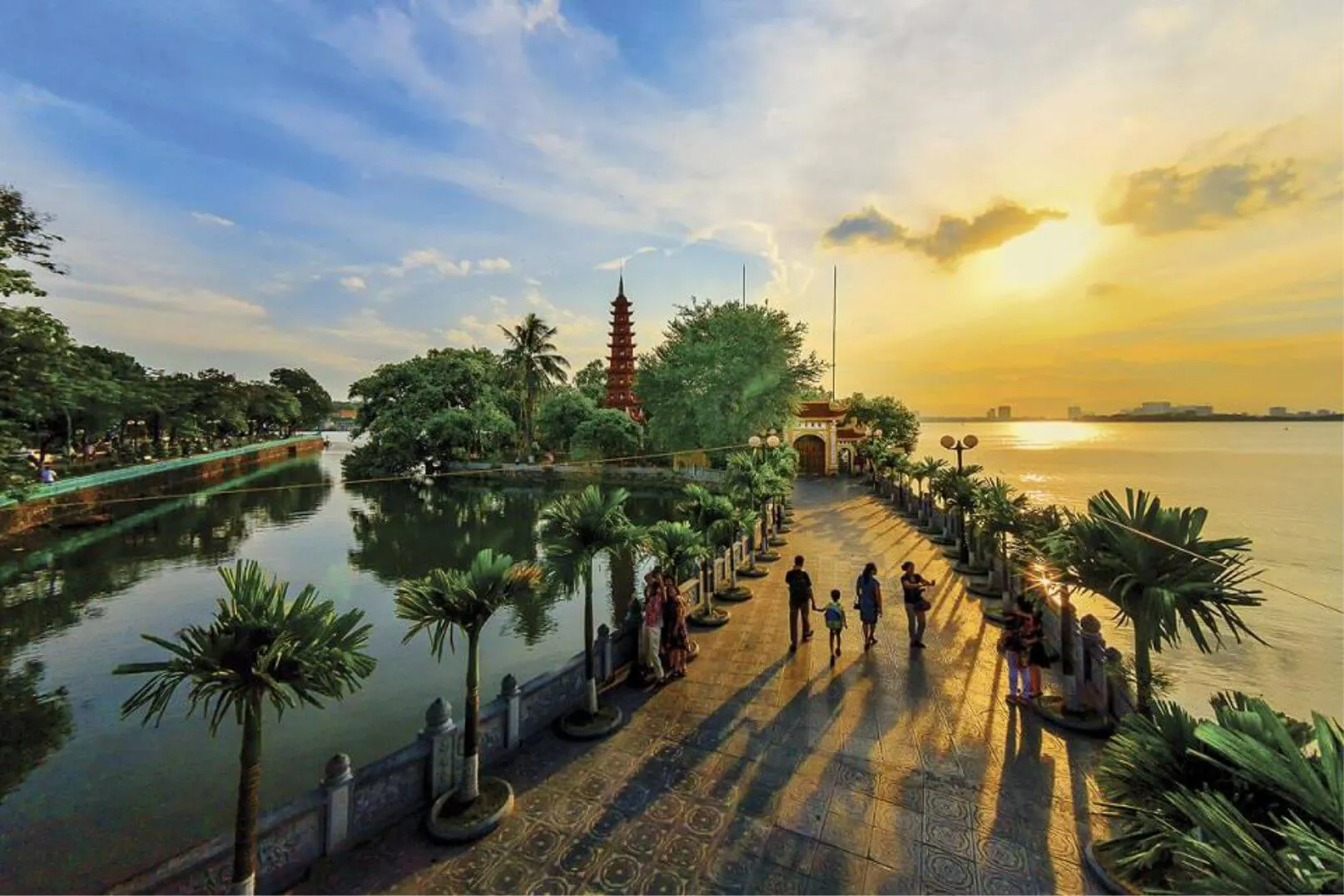
Tran Quoc Pagoda
Located on a small island in Hanoi’s West Lake, Tran Quoc Pagoda is the oldest Buddhist temple in the city and one of Vietnam’s most treasured spiritual landmarks. With a history spanning more than 1,500 years, the pagoda offers a remarkable blend of religious heritage, elegant architecture, and peaceful lakeside scenery.
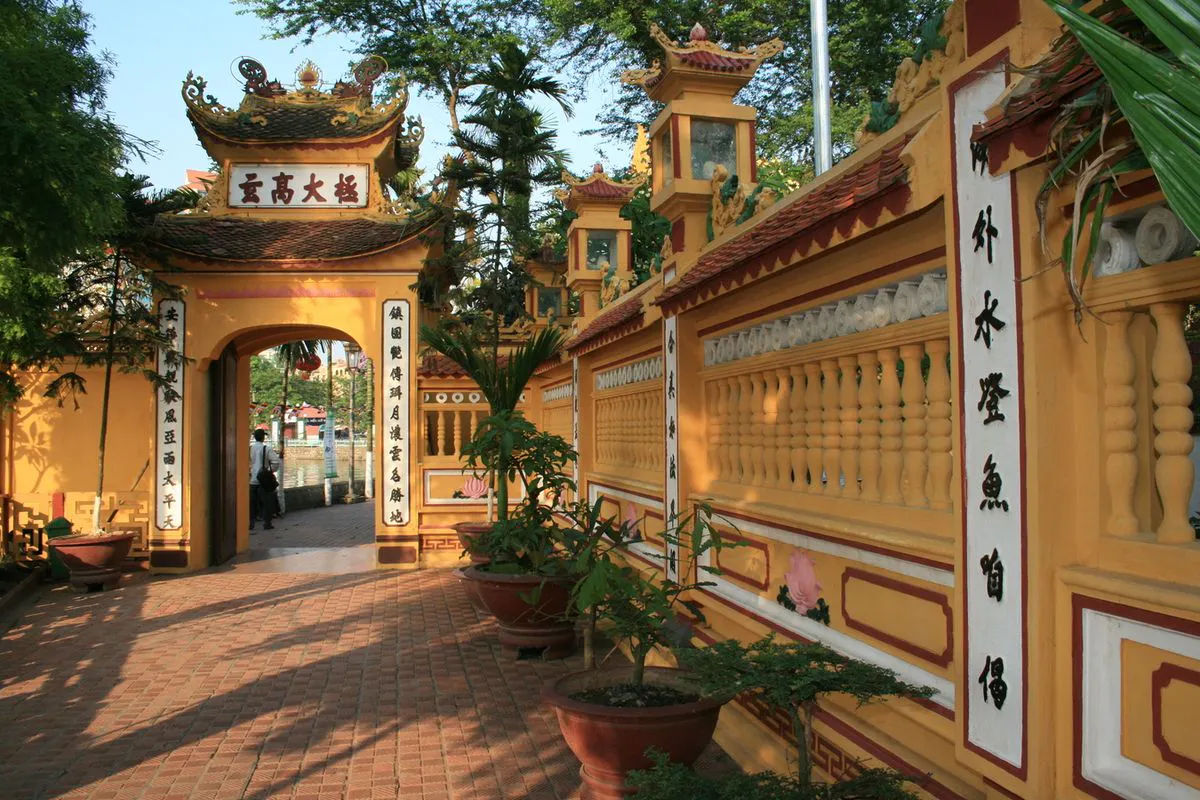
About Tran Quoc Pagoda
Tran Quoc Pagoda is one of the most significant religious and cultural landmarks in Vietnam and is widely recognized as the oldest Buddhist temple in Hanoi. Situated on a small island connected to the shore by a picturesque causeway on West Lake, the pagoda offers a peaceful retreat from the bustling capital while preserving more than 1,500 years of Vietnamese history and Buddhist heritage.
Originally constructed in the 6th century during the reign of Emperor Ly Nam De, Tran Quoc Pagoda was initially known as Khai Quoc Pagoda, meaning "Founding the Nation." Over the centuries, the temple was relocated several times before reaching its present location on West Lake in the 17th century. Today, it remains one of Hanoi’s most treasured spiritual sites and an important center of Buddhist worship.
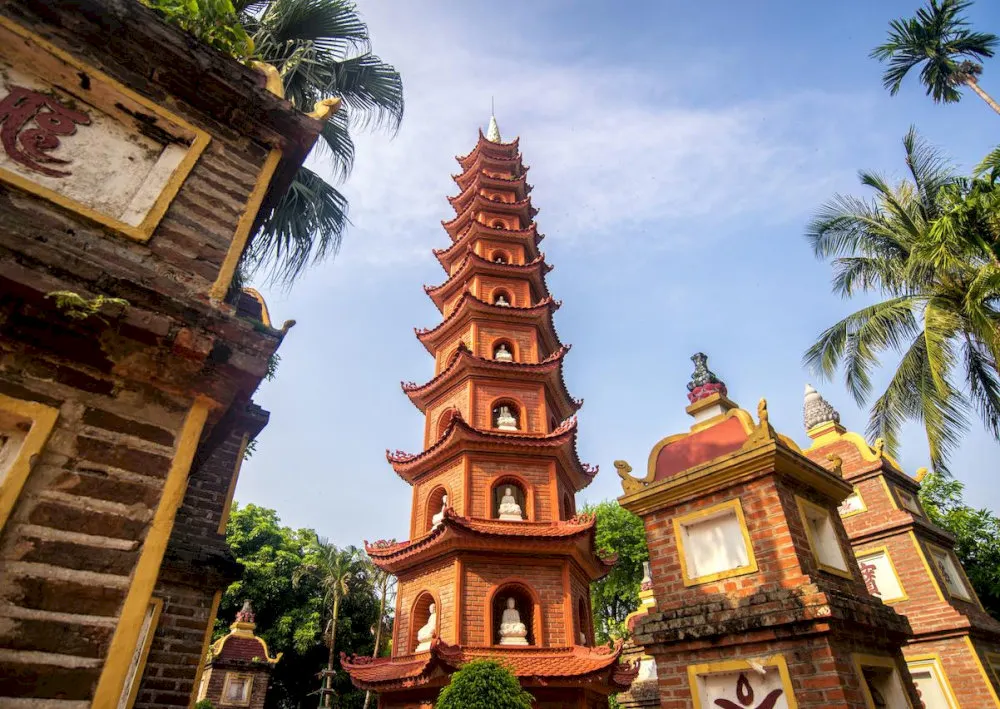
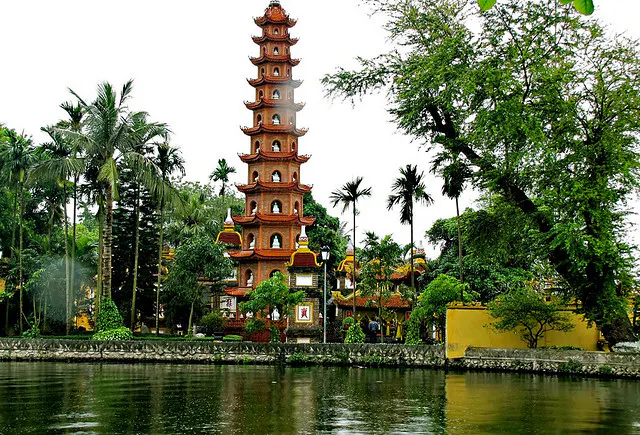
The pagoda is renowned for its elegant architecture, tranquil atmosphere, and historical significance. One of its most striking features is the 15-meter-high lotus-shaped stupa, which contains multiple levels of Amitabha Buddha statues. Visitors can also admire beautifully preserved temple halls, ancient sculptures, traditional Buddhist relics, and an impressive Bodhi tree gifted by the President of India in 1959. This sacred tree is believed to be descended from the original Bodhi tree under which Buddha attained enlightenment.
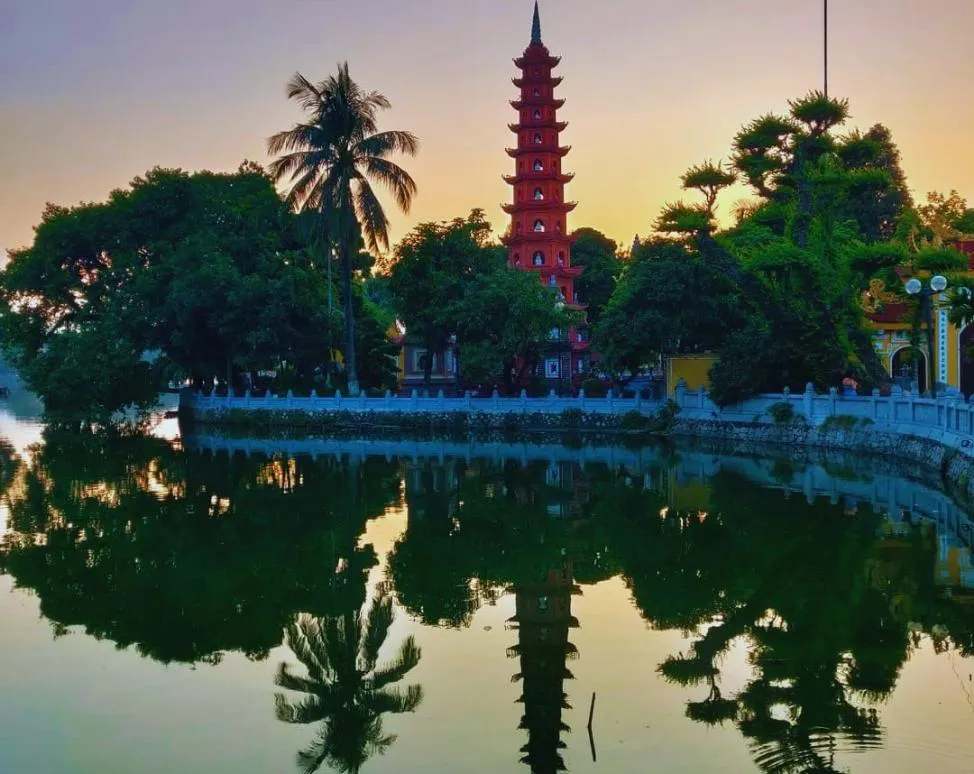
Surrounded by the calm waters of West Lake, Tran Quoc Pagoda offers some of the most scenic views in Hanoi. The combination of historic architecture, spiritual symbolism, and natural beauty makes it a favorite destination for both pilgrims and travelers. During major Buddhist festivals and traditional celebrations, the pagoda attracts worshippers from across Vietnam who come to pray for peace, health, and prosperity.
Today, Tran Quoc Pagoda stands as a symbol of Hanoi’s rich cultural identity and enduring Buddhist traditions. Whether you are interested in history, architecture, religion, or photography, a visit to this ancient lakeside temple provides a memorable insight into Vietnam’s spiritual heritage and centuries-old civilization.
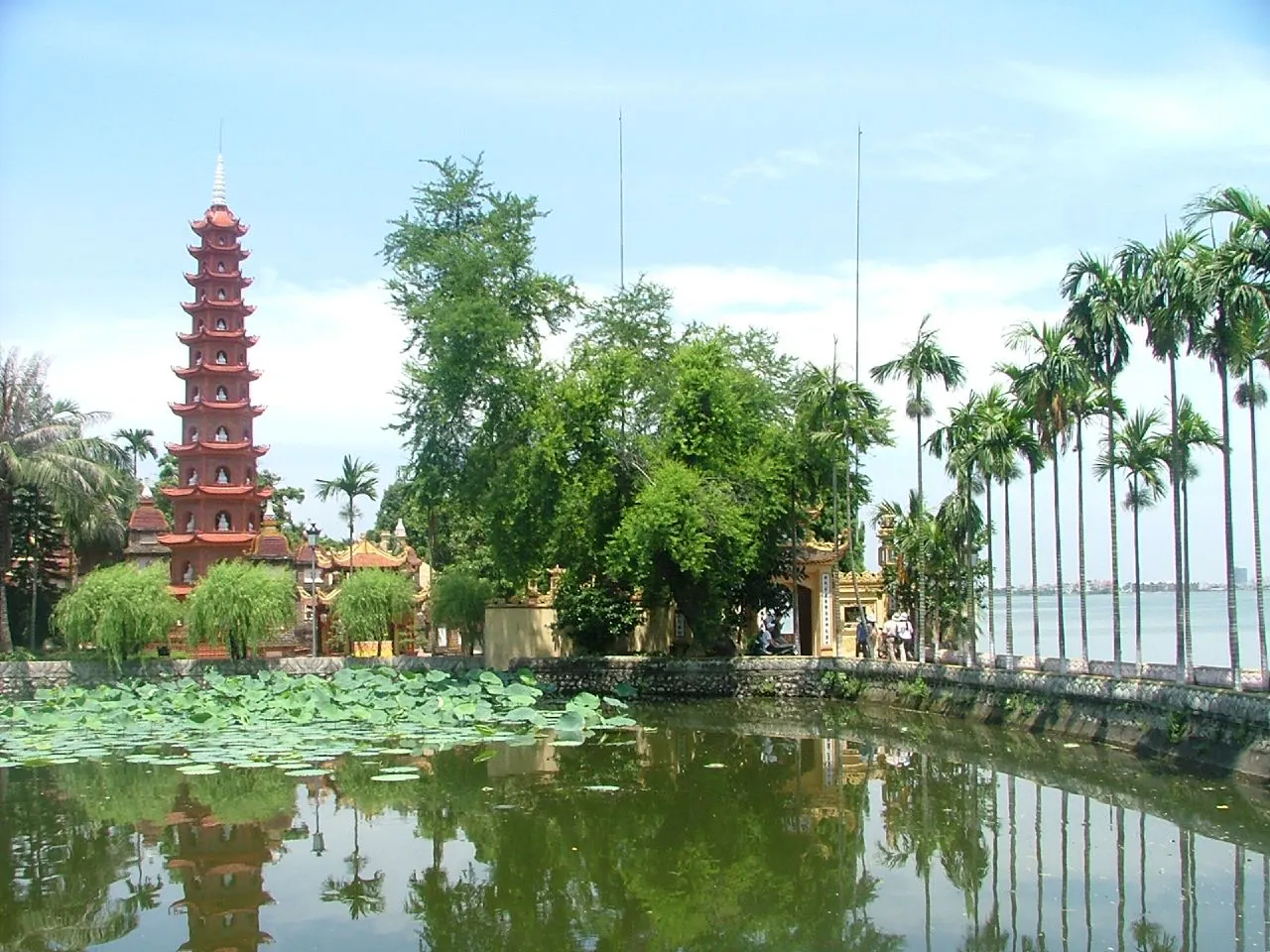
Tran Quoc Pagoda Photo Gallery
Browse stunning images of Tran Quoc Pagoda and experience the beauty of Hanoi’s oldest Buddhist temple. Explore historic architecture, sacred Buddhist monuments, the famous lotus tower, and breathtaking West Lake views through a collection of inspiring photographs.
How to Get to and Around Tran Quoc Pagoda
Long-distance buses connect Hanoi with major destinations throughout Vietnam. After arriving at one of Hanoi’s bus stations, visitors can take a taxi, ride-hailing service, or public bus to Tran Quoc Pagoda, which is located in Tay Ho District near West Lake.
Travelers arriving at Hanoi Railway Station can reach Tran Quoc Pagoda in approximately 15–20 minutes by taxi, motorbike, or public transportation. The pagoda is situated about 5 kilometers from the station.
Driving or hiring a private car is a convenient option for visitors staying outside central Hanoi. The pagoda is easily accessible via Thanh Nien Road, which connects West Lake and Truc Bach Lake. Parking is available in nearby areas.
The nearest airport is Noi Bai International Airport, located approximately 25 kilometers from Tran Quoc Pagoda. Visitors can reach the site by taxi, airport shuttle, private transfer, or ride-hailing service in around 30–45 minutes depending on traffic conditions.
Frequently Asked Questions About Tran Quoc Pagoda
Tran Quoc Pagoda is famous for being the oldest Buddhist temple in Hanoi, with a history spanning more than 1,500 years. It is known for its beautiful lakeside setting on West Lake, historic architecture, sacred relics, and iconic lotus-shaped stupa.
No. Admission to Tran Quoc Pagoda is free for both domestic and international visitors. Donations are welcome but not required.
Most visitors spend between 1 and 2 hours exploring the temple grounds, admiring the architecture, enjoying the peaceful atmosphere, and taking photographs of West Lake.
Early morning and late afternoon are ideal for visiting due to the cooler temperatures and beautiful lighting. The months from October to April generally offer the most comfortable weather for sightseeing in Hanoi.
Absolutely. Tran Quoc Pagoda is one of Hanoi’s most important cultural and spiritual landmarks, offering a unique combination of history, Buddhist heritage, traditional architecture, and scenic views of West Lake.
Other things you might like

Join our Newsletter Clan
Get VietNam inspiration direct to your inbox. Don't miss the inside track from our VietNam experts on exciting trip ideas, unique attractions and hidden gems loved by locals.