

Cao Bang
Cao Bang is a breathtaking province in Northern Vietnam, known for its dramatic limestone mountains, rich ethnic culture, and the spectacular Ban Gioc Waterfall—one of the most beautiful waterfalls in Asia. Located near the Chinese border, Cao Bang offers pristine nature, caves, rivers, and historical sites such as Pac Bo. Visitors can explore remote villages, enjoy scenic landscapes, and experience authentic local life. With its untouched beauty and cultural depth, Cao Bang is perfect for nature and adventure travelers.
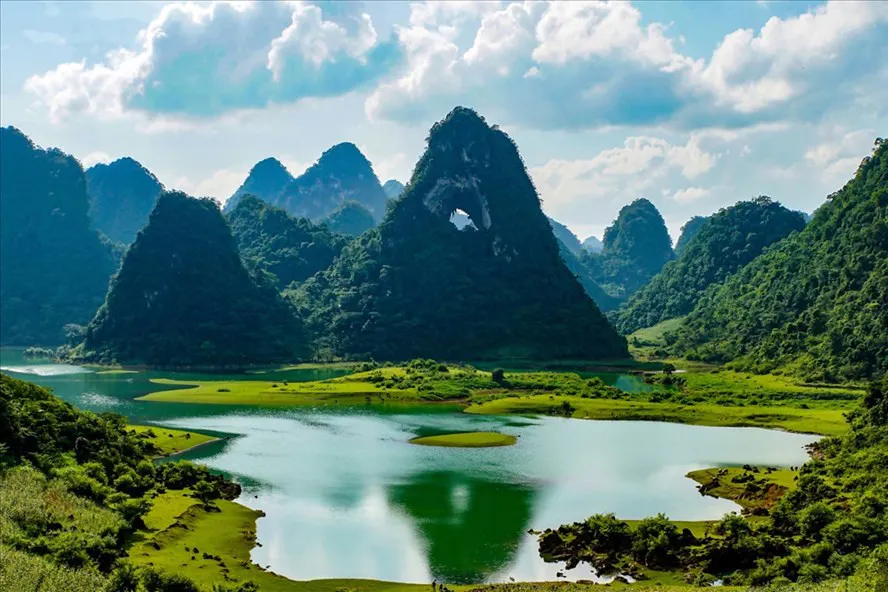
Discover Cao Bang – Vietnam’s Untouched Land of Waterfalls, Caves & Ethnic Heritage
Located in the far northeast of Vietnam, Cao Bang is a breathtaking mountainous province bordering China. Known for its pristine natural landscapes and rich cultural diversity, Cao Bang remains one of the most untouched and authentic destinations in the country. With dramatic limestone mountains, crystal-clear rivers, lush valleys, and hidden caves, the province offers a truly immersive experience for nature lovers and adventure seekers.
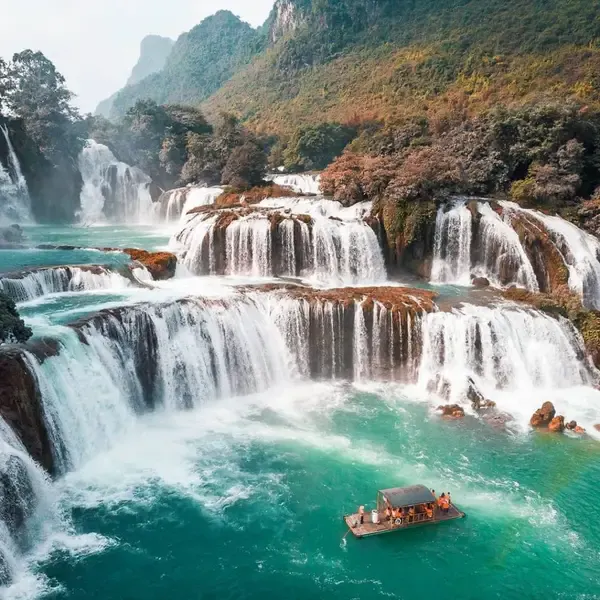
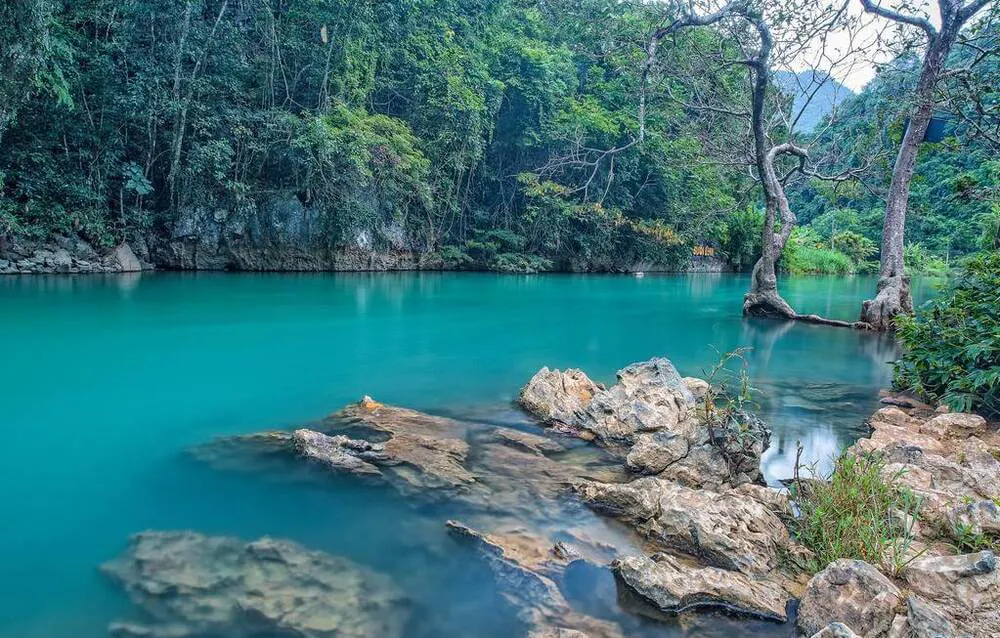
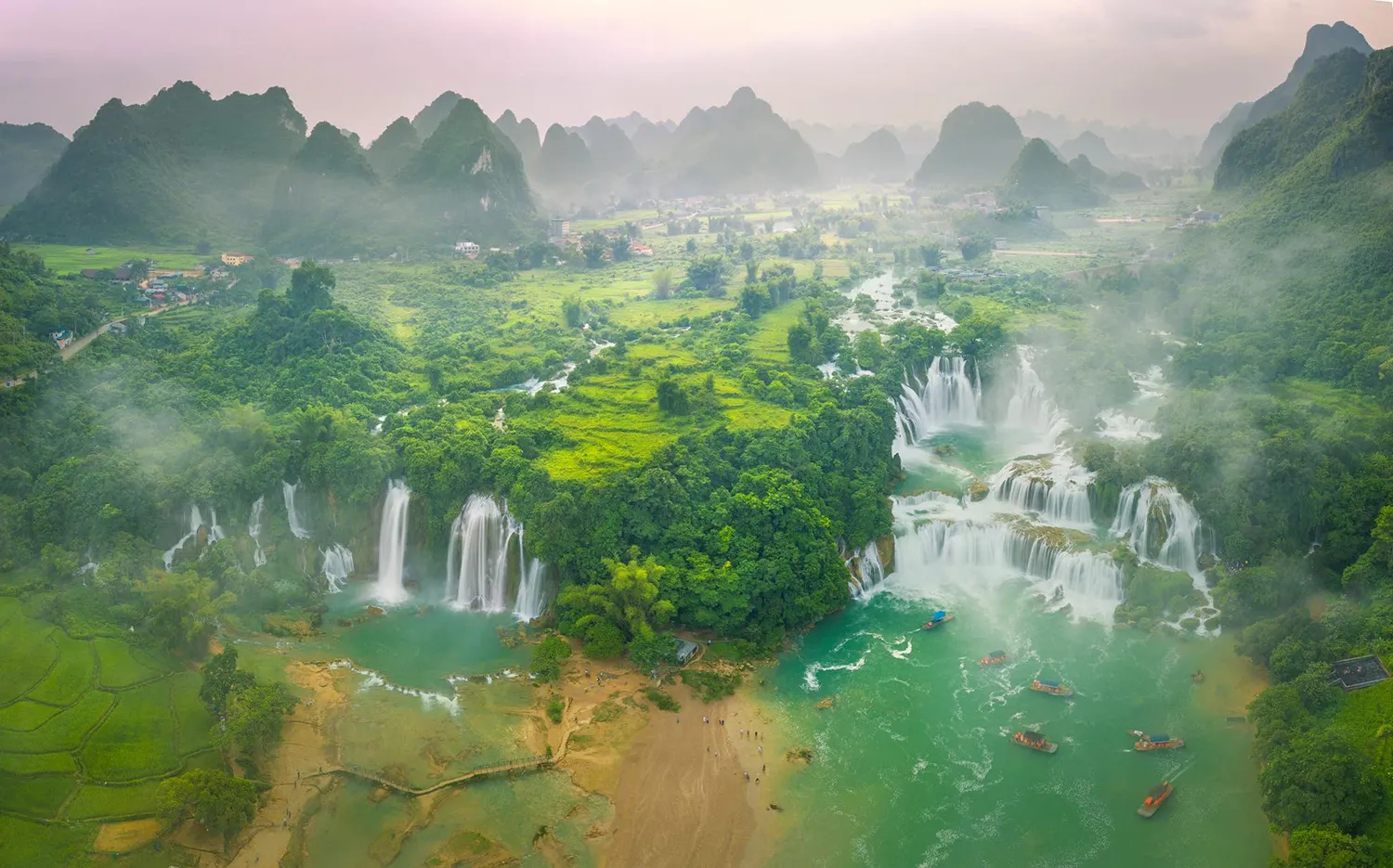
One of the most iconic attractions in Cao Bang is Ban Gioc Waterfall, the largest waterfall in Vietnam and one of the most stunning in Southeast Asia. Surrounded by towering limestone cliffs and green rice fields, the waterfall creates a spectacular natural scene that changes beautifully with the seasons. Nearby, visitors can also explore the peaceful Quay Son River, which flows gently through villages and karst landscapes.
Cao Bang is also famous for its impressive cave systems, especially Nguom Ngao Cave, a vast underground wonder filled with unique stalactites and stalagmites formed over millions of years. The cave offers a fascinating journey into the geological history of the region and is one of the most beautiful caves in Northern Vietnam.
Beyond natural wonders, Cao Bang holds deep historical significance as the revolutionary base of President Ho Chi Minh during Vietnam’s struggle for independence. The Pac Bo Historical Site is a key landmark where visitors can learn about important historical events and explore the simple cave where Ho Chi Minh once lived and worked.
The province is home to many ethnic minority groups, including the Tay, Nung, H’Mong, Dao, and Lo Lo people. Each group contributes to the cultural richness of Cao Bang through traditional festivals, handicrafts, cuisine, and stilt-house architecture. Visiting local villages allows travelers to experience authentic daily life and warm hospitality in the highlands.
With its combination of majestic waterfalls, mysterious caves, historical landmarks, and vibrant ethnic culture, Cao Bang offers a rare glimpse into a Vietnam that is still wild, peaceful, and deeply connected to nature.
For travelers seeking adventure, tranquility, and cultural discovery, Cao Bang is a destination that leaves a lasting impression—where every landscape tells a story and every journey feels truly unforgettable.
Cao Bang in Frames – Waterfalls, Caves & Untouched Mountain Landscapes
Discover the natural wonder and raw beauty of Cao Bang through a curated collection of images featuring Ban Gioc Waterfall, Nguom Ngao Cave, peaceful rivers, and dramatic limestone mountains. From lush green valleys and ethnic villages to hidden geological formations, the gallery captures the untouched charm, cultural richness, and breathtaking scenery of one of Vietnam’s most spectacular northern provinces.
How To Get There Cao Bang
Bus and sleeper coach services are the most common way to reach Cao Bang, especially from Hanoi.
Daily routes operate between Hanoi and Cao Bang City, with both standard and limousine options available.
Typical travel times:
- 6–8 hours from Hanoi
- 5–6 hours from Ha Giang
- 7–8 hours from Lang Son
This is the most affordable and widely used option for travelers.
Cao Bang does not have a railway station.
The nearest train access is in Hanoi. From there, travelers must continue by bus, limousine, or private car to reach Cao Bang.
This option is suitable for those combining rail travel with overland exploration of Northern Vietnam.
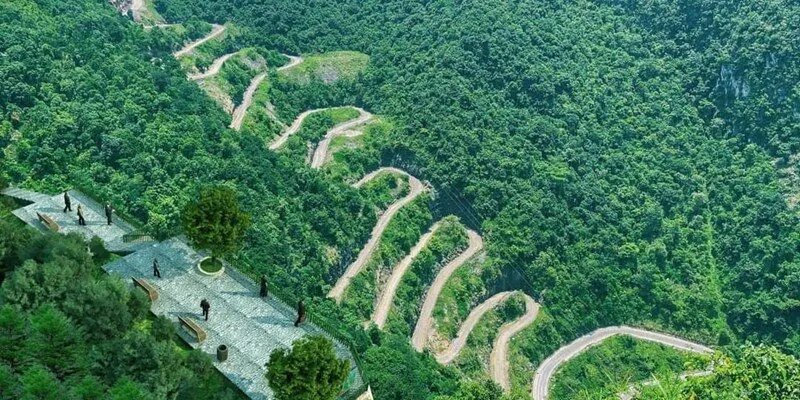
Driving is one of the best ways to experience Cao Bang due to its scenic mountain roads and peaceful countryside landscapes.
Travelers can use private cars or motorbikes via national highways connecting Hanoi and Northeast Vietnam.
Estimated travel times:
- 6–8 hours from Hanoi
- 5–6 hours from Ha Giang
- 7–8 hours from Lang Son
Driving allows flexible stops at viewpoints, rivers, and ethnic villages along the way.
Cao Bang does not have its own airport.
The nearest major airport is:
Noi Bai International Airport (HAN) – Hanoi, located about 280–300 km away
From Hanoi, travelers continue by:
- Limousine bus
- Coach
- Private car
Total travel time from Hanoi is usually 6–8 hours by road after arrival at the airport.
Frequently Asked Questions About Cao Bang
Cao Bang is located in Northeast Vietnam, bordering China. It is a mountainous province known for its dramatic landscapes, waterfalls, caves, and rich ethnic culture.
Cao Bang is most famous for Ban Gioc Waterfall, Nguom Ngao Cave, Pac Bo Historical Site, and its stunning limestone mountains and rivers.
The best time to visit Cao Bang is from September to November and March to May when the weather is cool, dry, and ideal for sightseeing and outdoor activities.
Travelers can reach Cao Bang from Hanoi by bus, limousine coach, or private car. The journey usually takes around 6–8 hours via scenic mountain roads.
A 2–4 day trip is ideal to explore Cao Bang’s main attractions, including Ban Gioc Waterfall, caves, lakes, and ethnic villages. Longer stays are recommended for deeper exploration of remote areas.
Other things you might like
Join our Newsletter Clan
Get VietNam inspiration direct to your inbox. Don't miss the inside track from our VietNam experts on exciting trip ideas, unique attractions and hidden gems loved by locals.